This is paragraph text. Click it or hit the Manage Text button to change the font, color, size, format, and more. To set up site-wide paragraph and title styles, go to Site Theme.
Welding Services
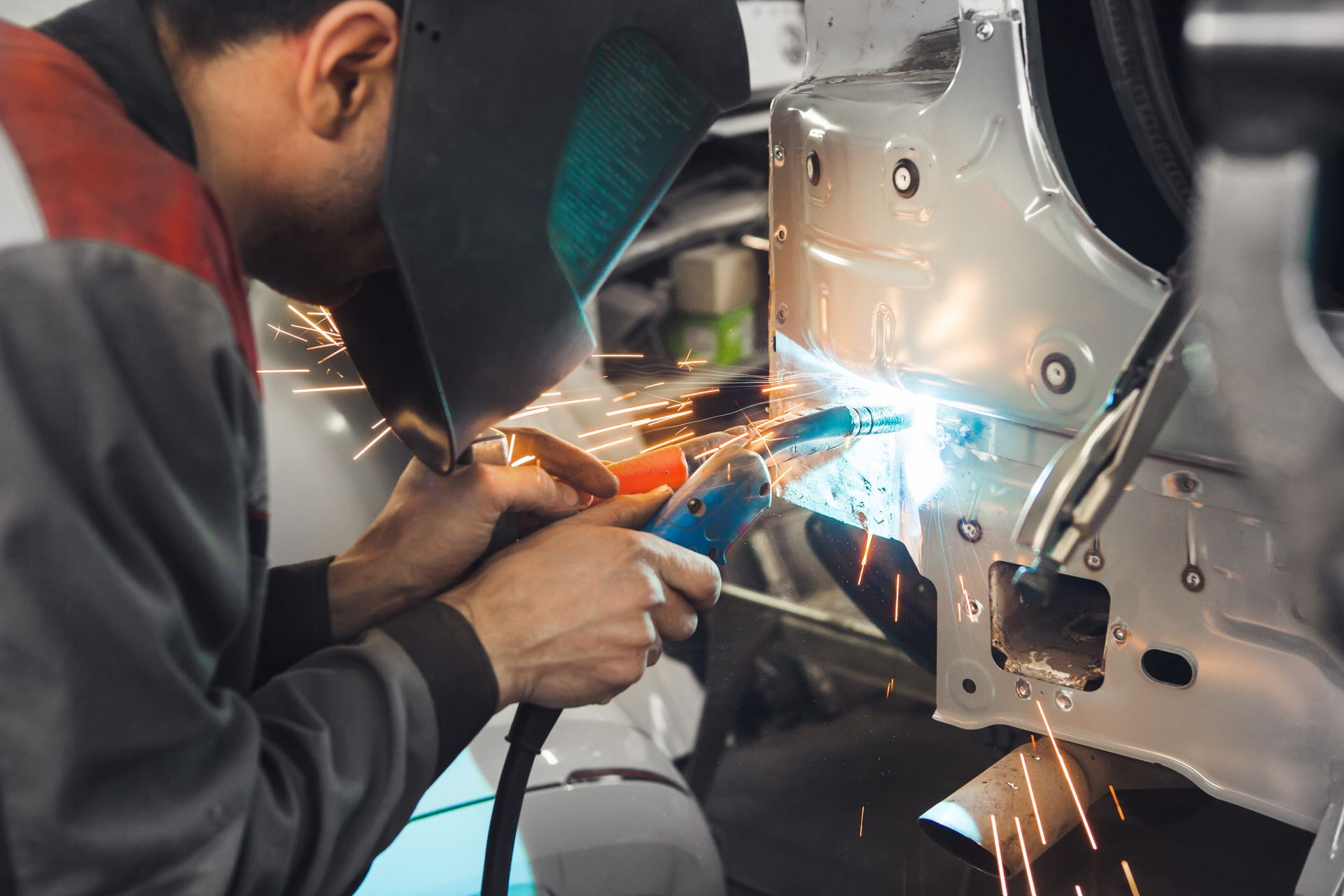
Welding Services in Manville, NJ
Structural and Panel Repair Precision
When a vehicle sustains damage that affects its metal components, welding in Manville, NJ becomes a necessary part of restoring both structural integrity and panel appearance. Collision Tech Auto Body performs precision welding using manufacturer-approved techniques and equipment suited to modern vehicle construction. Welding is often required alongside frame straightening or panel replacement, making it a foundational service within the broader collision repair process.
Contact Collision Tech Auto Body to learn more about our welding capabilities today.
Welding on modern vehicles requires far more precision than general metalwork. Automotive welding must account for varying metal thicknesses, high-strength steel components, and manufacturer-specific procedures that affect both safety and structural performance.
Types of Welding Used in Auto Body Repair
Collision Tech Auto Body uses several welding techniques depending on the metal type, thickness, and location of the repair. Choosing the correct welding method is essential to maintaining the vehicle's original strength characteristics.
01
MIG Welding
MIG welding is commonly used for panel replacement and general body repairs, offering a strong, clean weld suited to a variety of metal thicknesses.
02
Spot Welding
Spot welding replicates the factory welding process used in vehicle assembly, making it ideal for reattaching structural panels in their original configuration.
03
Squeeze-Type Resistance Spot Welding
This specialized welding method is used on high-strength steel components, applying controlled pressure and current to create welds that meet manufacturer strength requirements.
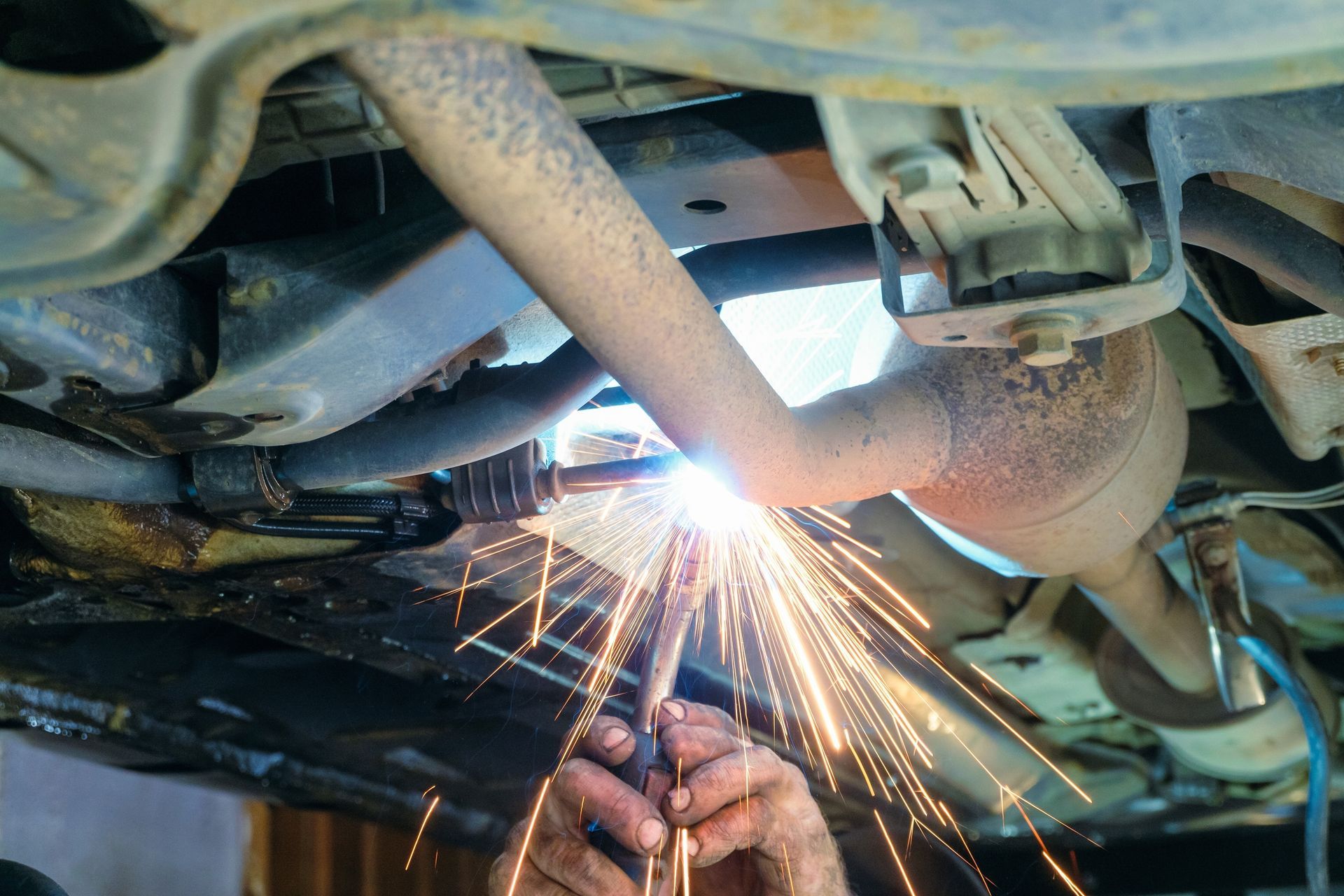
Welding for Structural Repairs
Structural welding addresses damage to a vehicle's frame rails, crossmembers, and reinforcement components. This type of welding directly affects how a vehicle performs in future collisions, making precision essential.
Frame Rail Welding
When frame rails are damaged beyond straightening, welding is used to section in new material that matches manufacturer specifications for strength and thickness.
Crossmember Repair Welding
Crossmembers that support suspension and drivetrain components sometimes require welding repairs to restore proper structural support.
Reinforcement Bracket Welding
Welding is used to reattach or replace reinforcement brackets that contribute to a vehicle's crash energy management systems.
Panel Replacement Welding
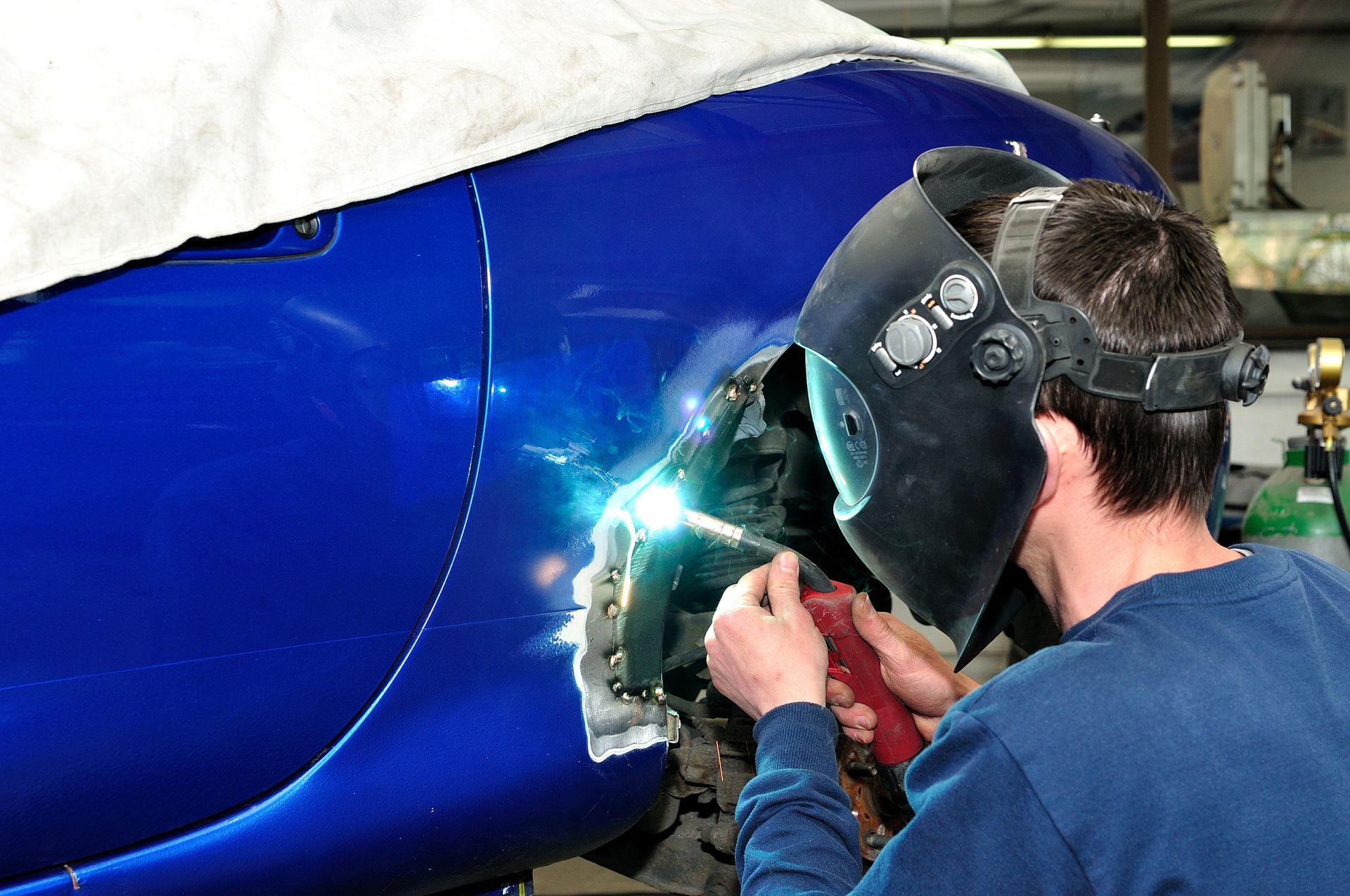
When a damaged panel cannot be repaired, welding is used to attach a replacement panel in the correct position. This process requires careful alignment and welding technique to ensure proper fit and finish.
Ask Collision Tech Auto Body about welding requirements for your panel replacement.
Quarter Panel Welding
Quarter panel replacement typically requires welding along factory seams to ensure the new panel aligns properly with surrounding body components.
Rocker Panel Welding
Rocker panels, which support the vehicle's lower structure, often require precise welding to maintain both strength and proper door alignment.
Welding Equipment and Quality Standards
Modern automotive welding relies on calibrated equipment and manufacturer-specific procedures to ensure repairs meet original strength specifications. Our welding technicians follow these standards closely on every job.
Equipment Calibration
Welding equipment is regularly calibrated to ensure consistent heat output and weld penetration across different metal types and thicknesses.
Manufacturer Procedure Compliance
Welding procedures follow manufacturer guidelines specific to each vehicle make and model, particularly for high-strength steel and aluminum components.
Post-Welding Inspection and Finishing
Once welding is complete, welds are inspected for strength and consistency before any panels are finished or painted. This inspection step ensures the welding meets safety standards before the vehicle moves to the next repair phase.
Schedule your welding repair assessment with Collision Tech Auto Body
in Manville, NJ.
Frequently Asked Questions About Welding
What types of welding are used in auto body repair?
Auto body welding commonly includes MIG welding, spot welding, and squeeze-type resistance spot welding, depending on the repair location and metal type.
Is welding required for all panel replacements?
Most panel replacements require welding to properly attach new panels along factory seams, though some panels use adhesive bonding instead.
Can welding restore a vehicle's structural strength?
Yes, when performed according to manufacturer specifications, welding restores structural components to their original strength ratings.
Does welding affect a car's crash safety rating?
Properly performed welding that follows manufacturer procedures maintains the vehicle's designed crash safety performance.
How is welding quality checked after repair?
Welding quality is verified through visual inspection, weld strength testing, and comparison against manufacturer specifications.
Is welding used in frame straightening repairs?
Welding is often used alongside frame straightening when sections of the frame require replacement rather than realignment.
Can aluminum body panels be welded?
Yes, aluminum welding requires specialized equipment and techniques distinct from steel welding due to differences in heat conductivity and strength.
How long does welding repair typically take?
Welding repair time varies based on the extent of damage, ranging from a few hours for simple panel welds to a full day for structural repairs.
Does insurance cover welding repairs?
Welding repairs are typically covered under collision insurance claims as part of the overall structural or panel repair process.
What happens if welding is done incorrectly?
Improper welding can compromise structural integrity, leading to premature failure or reduced crash protection in future incidents.
Is spot welding the same as factory welding?
Spot welding closely replicates the factory welding process, making it the preferred method for reattaching panels in their original configuration.